


Learn what Autism Spectrum Disorder (ASD) is, including signs, causes, diagnosis, therapies, and support tips to help individuals and families thrive.
Autism Spectrum Disorder (ASD) is a complex neurodevelopmental condition characterized by differences in social communication, behavior, and sensory processing. ASD affects individuals differently and to varying degrees, which is why it is called a “spectrum” disorder. While some autistic people may require substantial support in daily life, others lead fully indeupendent lives, contributing unique strengths in creativity, attention to detail, and systematic thinking.
Key Characteristics and Symptoms

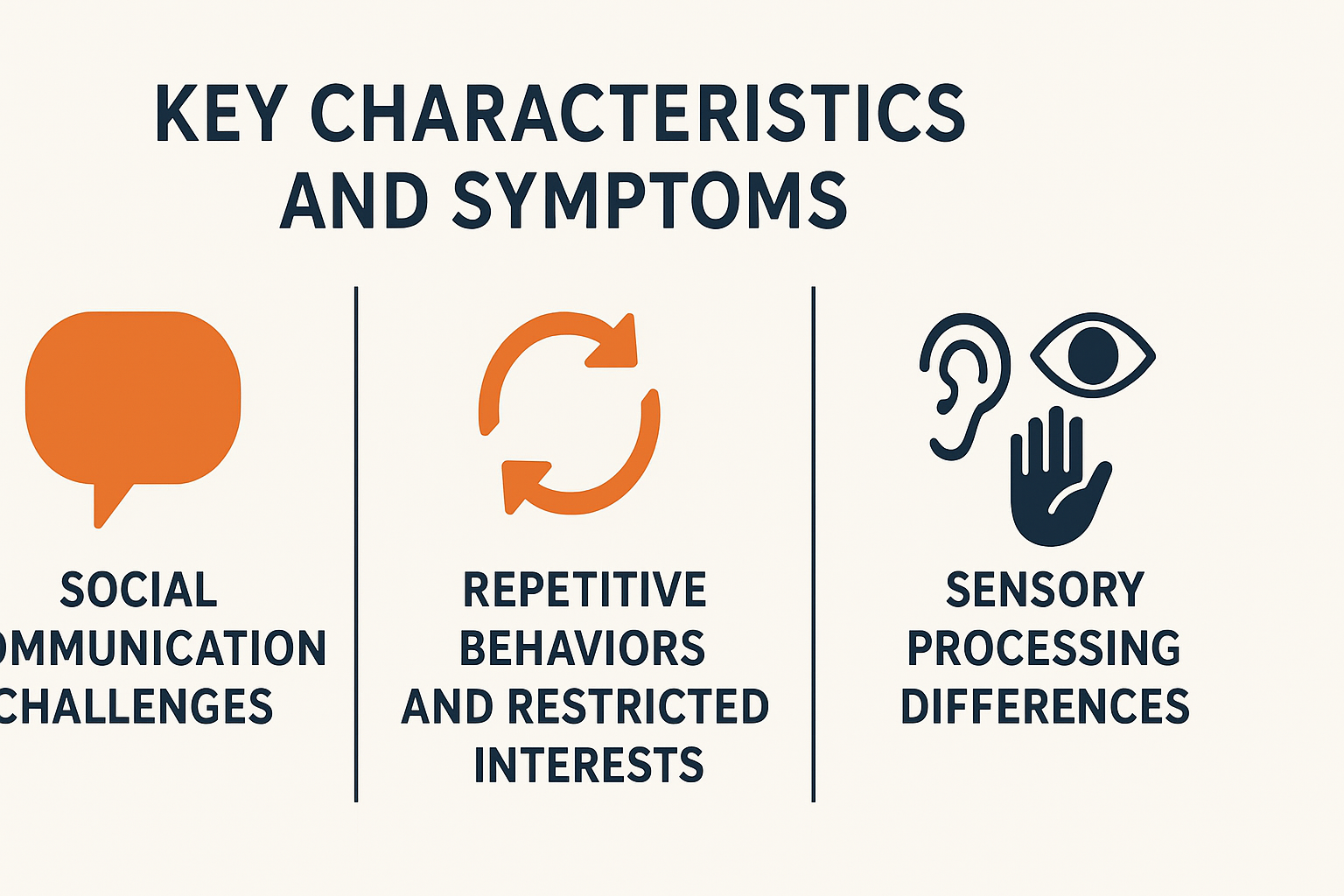
1. Social Communication Challenges
- Difficulty with social reciprocity: Limited back-and-forth conversation; may not respond to social cues such as eye contact or facial expressions.
- Atypical nonverbal communication: Unusual body language, difficulty understanding gestures or tone of voice.
- Trouble developing and maintaining relationships: Challenges making friends, preferring solitary activities or interacting only with familiar people.
2. Repetitive Behaviors and Restricted Interests
- Stereotyped or repetitive movements: Hand-flapping, rocking, or lining up objects.
- Insistence on sameness: Strong distress when routines change, rigid thinking patterns.
- Highly focused interests: Deep knowledge of specific subjects (e.g., trains, maps, coding) that can be a source of motivation and skill development.
3. Sensory Processing Differences
- Hyper- or hypo-sensitivity: Overwhelmed by loud noises, bright lights, or certain textures; alternatively, may seek out intense sensory experiences.
- Unusual reactions: Covering ears to block sound, fixating on particular sensations, or displaying indifference to pain.

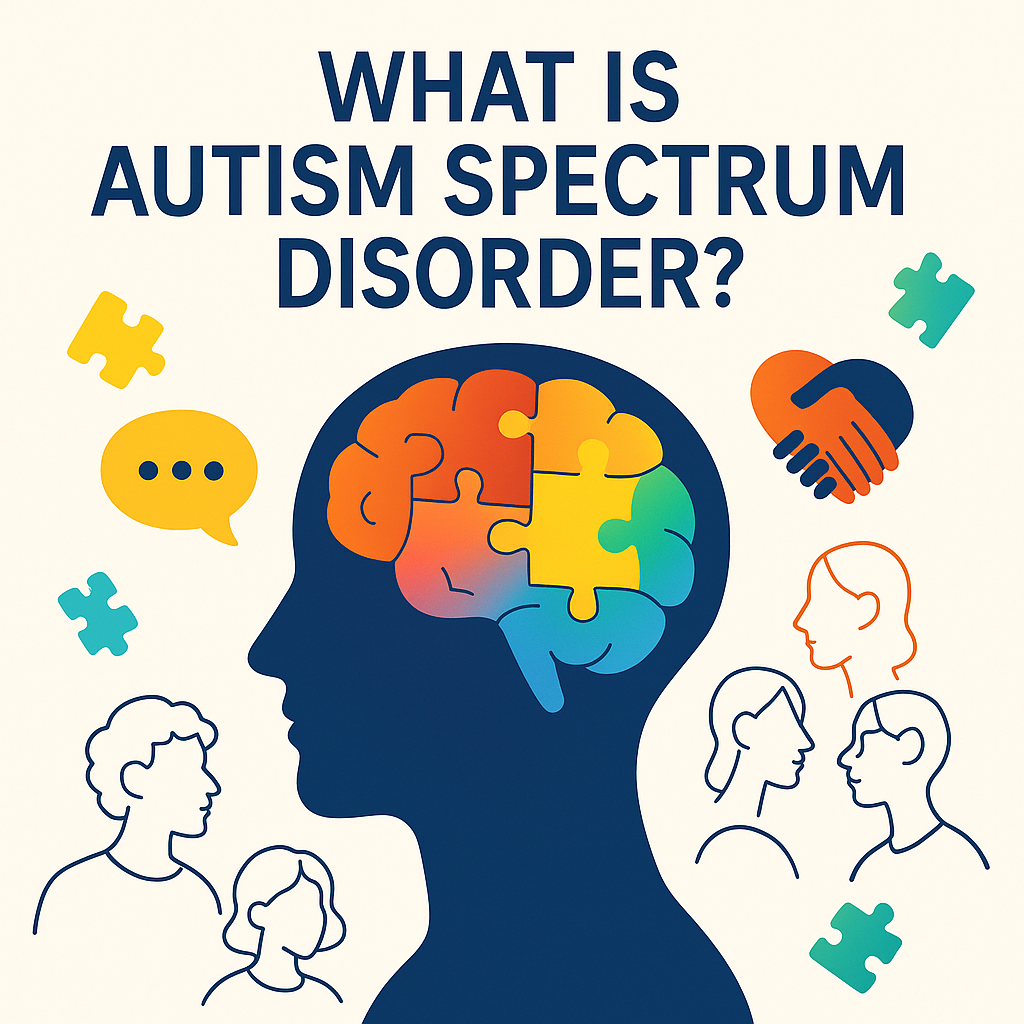
Here’s an educational graphic illustrating “What Is Autism Spectrum Disorder?”
Heading: Bold navy text at the top asks the question directly.
Center Image: A human head silhouette filled with a colorful puzzle-piece brain, symbolizing the spectrum of characteristics.
Supporting Icons: Speech bubble for communication, shaking hands for social interaction, and diverse profiles for individual differences.
Color Palette: Warm gradient for the brain to emphasize diversity and inclusion; clean navy outlines for clarity.
Causes and Risk Factors
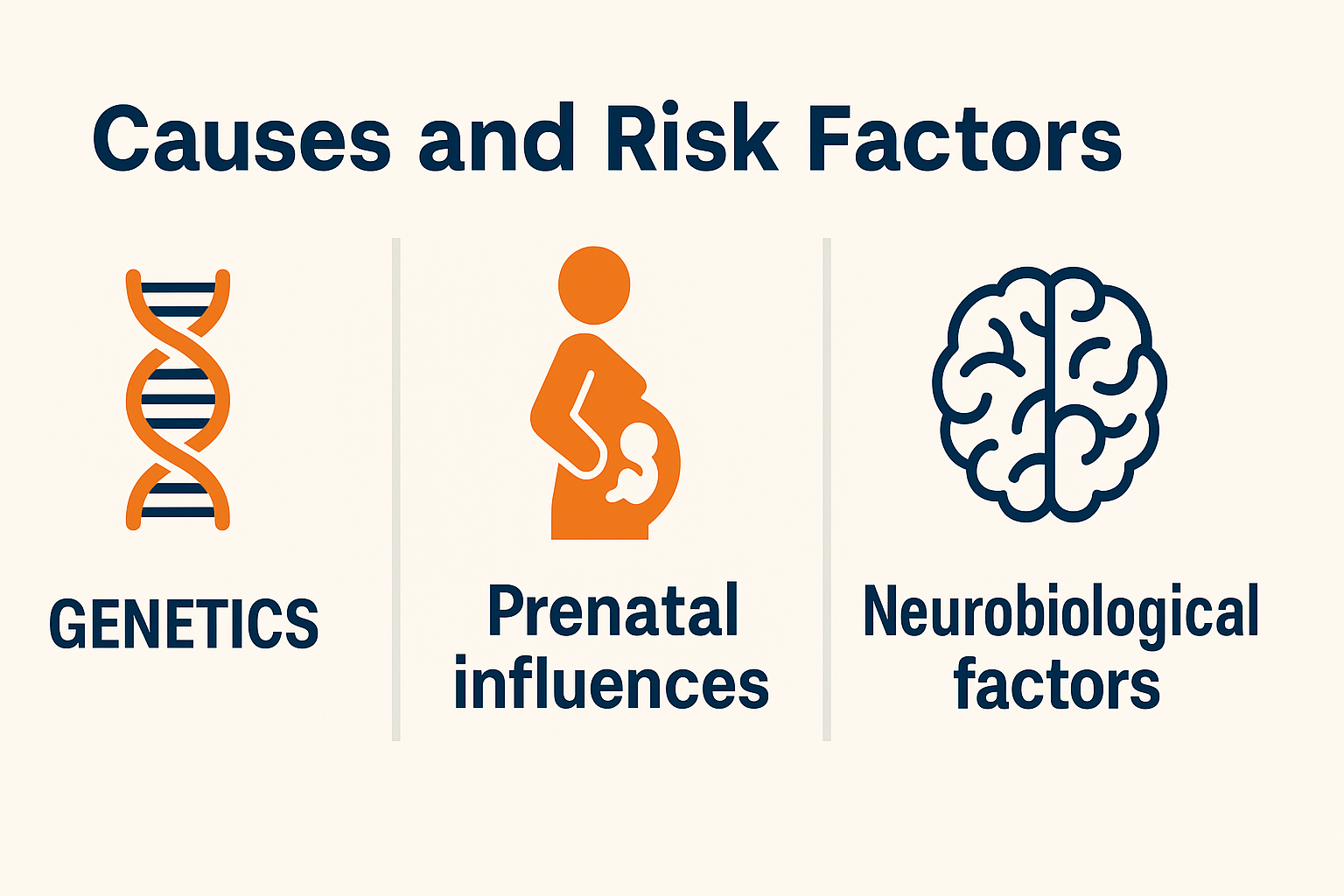
While the exact cause of ASD remains unclear, research points to a combination of genetic and environmental factors:
- Genetics: Certain gene mutations and family history increase autism risk.
- Prenatal influences: Advanced parental age, maternal illnesses, or complications during pregnancy.
- Neurobiological factors: Differences in brain structure and connectivity identified through neuroimaging studies.
No single cause has been pinpointed, and ASD likely results from multiple interacting influences rather than any one factor.
Diagnosis and Early Intervention
Early identification of autism is crucial for accessing support that can improve outcomes:
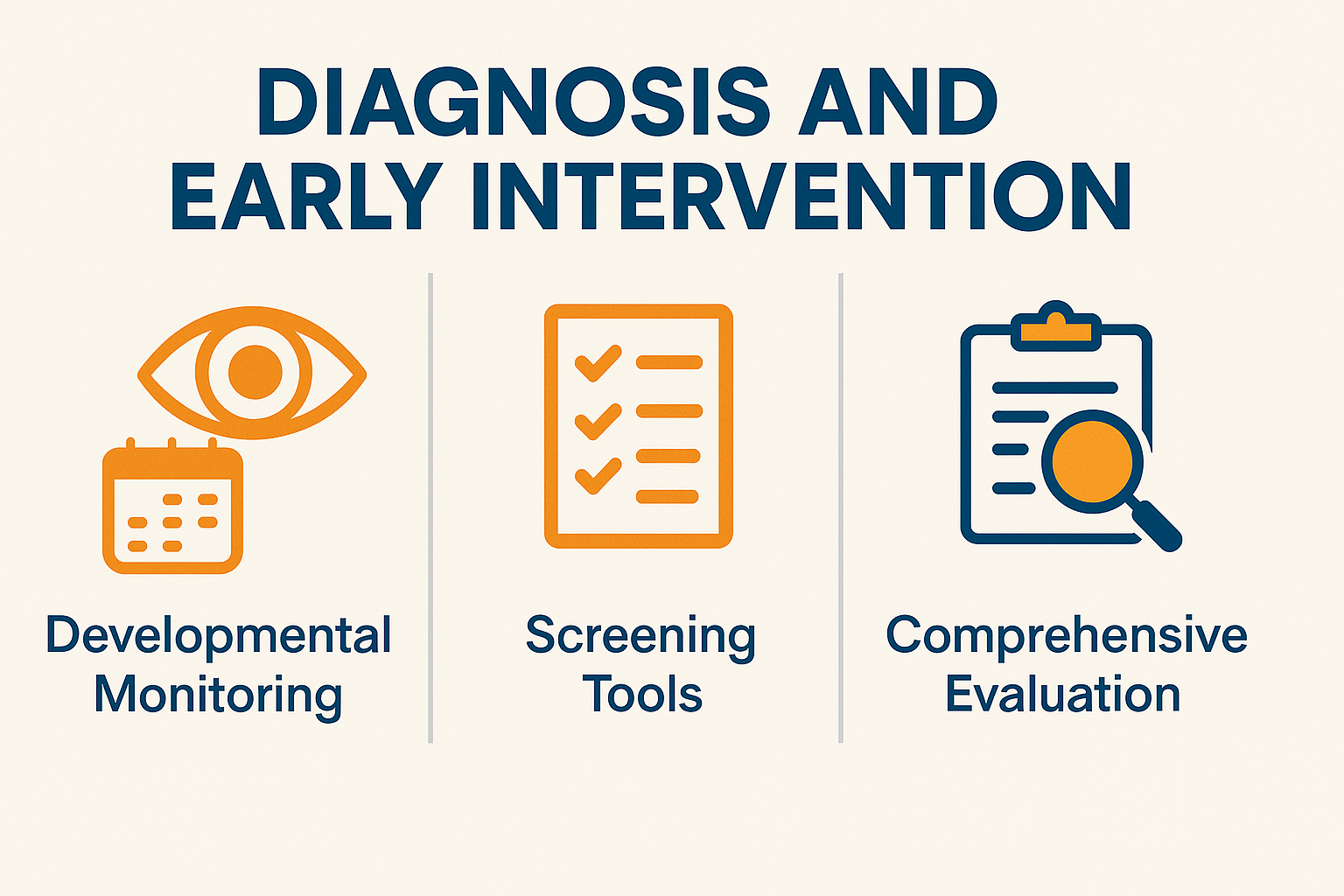
- Developmental Monitoring: Regular screening by pediatricians, tracking milestones for speech, social interaction, and motor skills.
- Screening Tools: Standardized questionnaires (e.g., M-CHAT) administered at 18 and 24 months.
- Comprehensive Evaluation: Multidisciplinary team—including psychologists, speech therapists, and occupational therapists—assesses behavior and development.
Early intervention programs, such as applied behavior analysis (ABA), speech therapy, and occupational therapy, capitalize on the brain’s plasticity in young children, enhancing communication, social skills, and adaptive behaviors.
Treatment, Therapies, and Support
While there is no “cure” for autism, many evidence-based interventions help individuals reach their full potential:
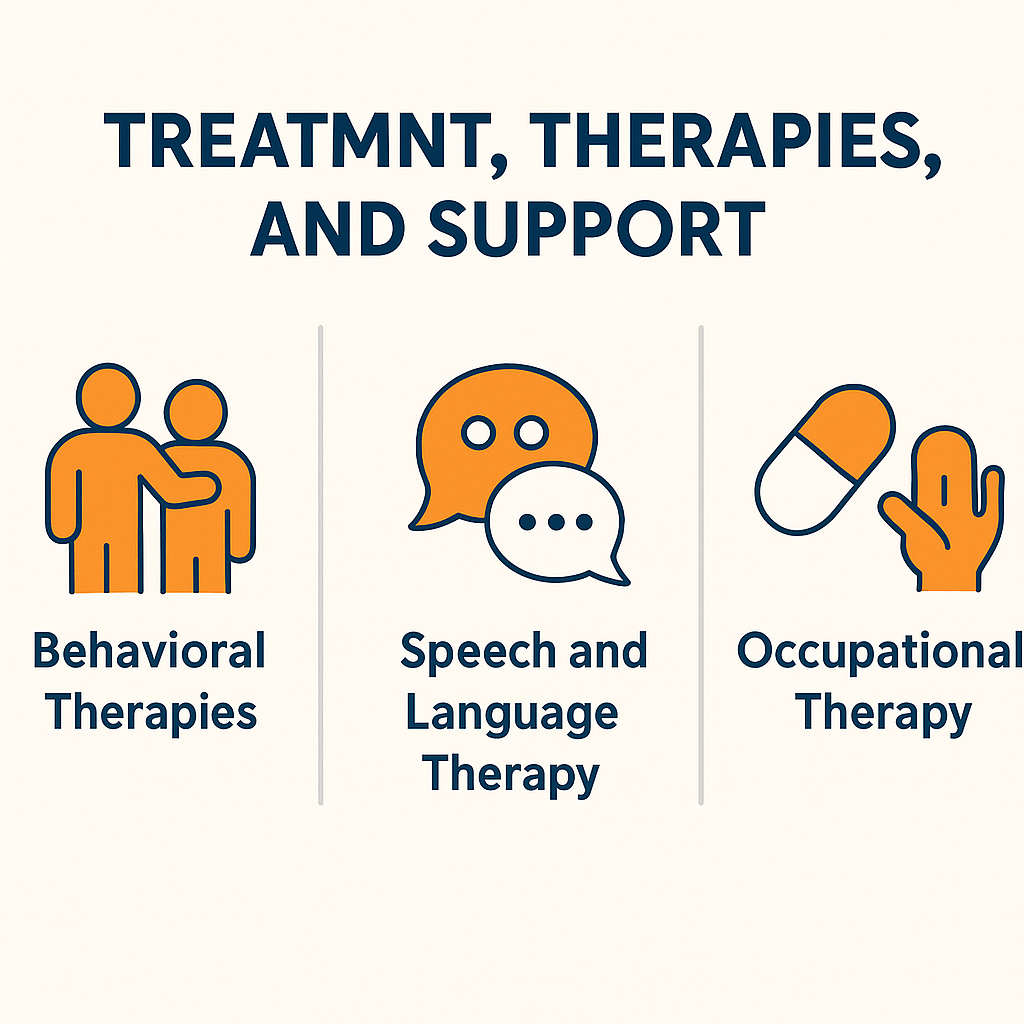
- Behavioral Therapies: ABA, social skills training, and cognitive behavioral therapy (CBT) to address specific challenges.
- Educational Support: Individualized Education Programs (IEPs) in schools, tailored teaching methods, and classroom accommodations.
- Speech and Language Therapy: Improves verbal and nonverbal communication, aids in pragmatic language use.
- Occupational Therapy: Focuses on sensory integration, fine motor skills, and daily living tasks.
- Medication: May be prescribed to treat co-occurring conditions (e.g., anxiety, ADHD, epilepsy).
Treatment, Therapies, and Support
- Behavioral Therapies: ABA, social skills training, and cognitive behavioral therapy (CBT) to address specific challenges.
- Educational Support: Individualized Education Programs (IEPs) in schools, tailored teaching methods, and classroom accommodations.
- Speech and Language Therapy: Improves verbal and nonverbal communication, aids in pragmatic language use.
- Occupational Therapy: Focuses on sensory integration, fine motor skills, and daily living tasks.Medication: May be prescribed to treat co-occurring conditions (e.g., anxiety, ADHD, epilepsy).
Family education and support groups are vital, equipping parents and caregivers with strategies to foster development and manage stress.
Living with Autism Spectrum Disorder
Autistic individuals contribute richly to society when given understanding and opportunity:
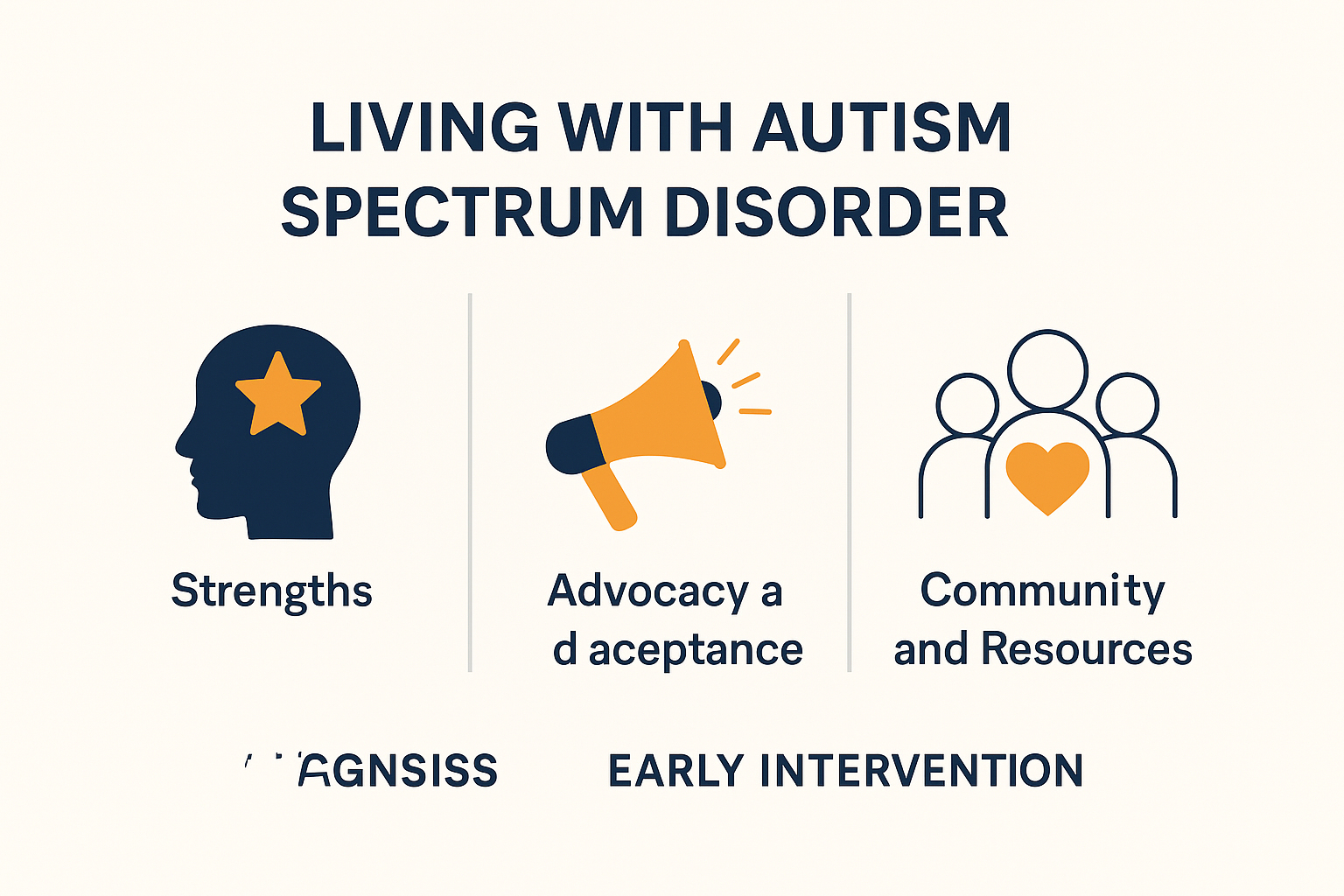
- Strengths: Exceptional memory, attention to detail, creativity, and prowess in specialized tasks such as coding, art, or mathematics.
- Advocacy and Acceptance: Organizations like Autism Speaks and the Autistic Self Advocacy Network promote inclusion, raise awareness, and support research.
- Community and Resources: Local support groups, online forums, and recreational programs offer social connection and life-skills training.
Emphasizing ability over disability fosters a culture where autistic people can thrive see more.